Nature+ - Inclusive conservation in the TRIDOM landscapes (Cameroon)
2025/2026
3 months
mapped hectares
trained producers
days of expertise
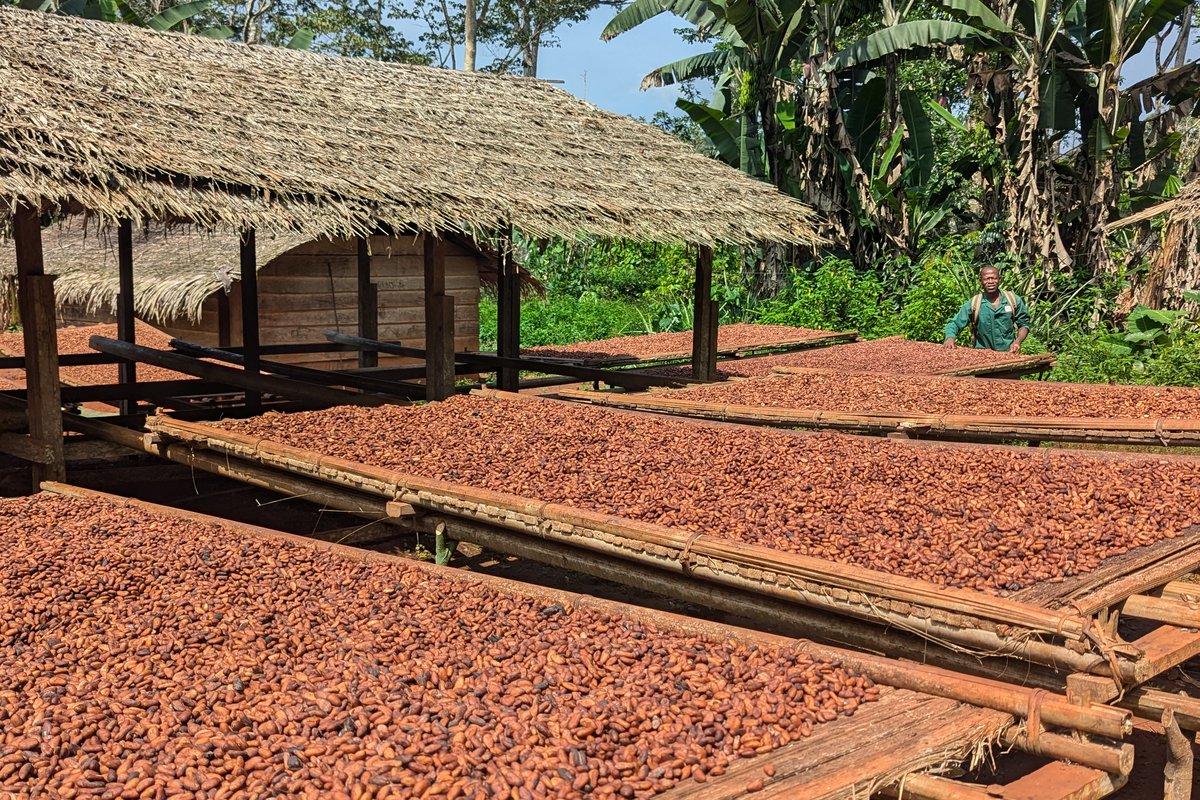
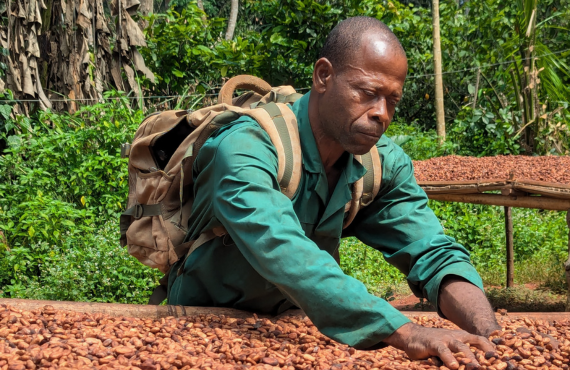
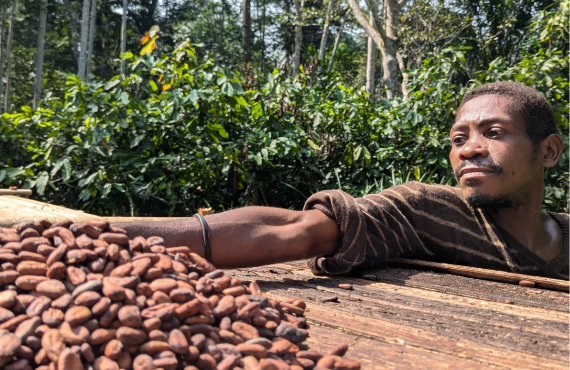
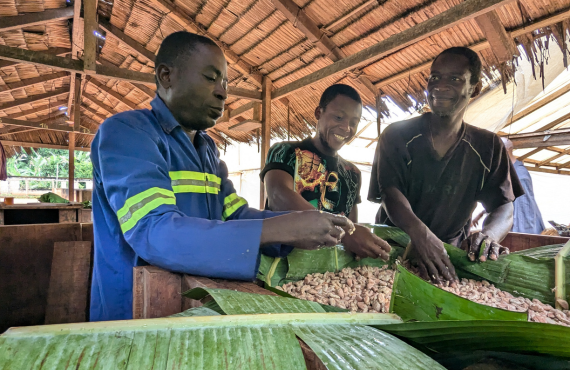
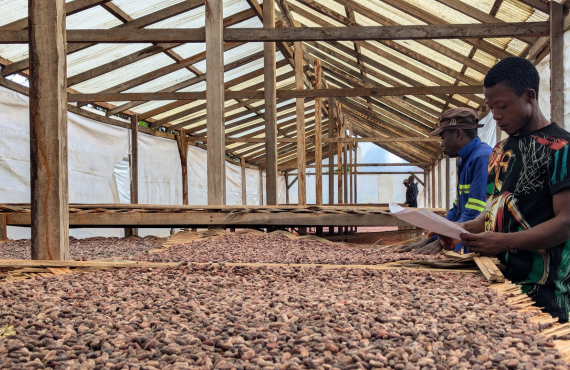
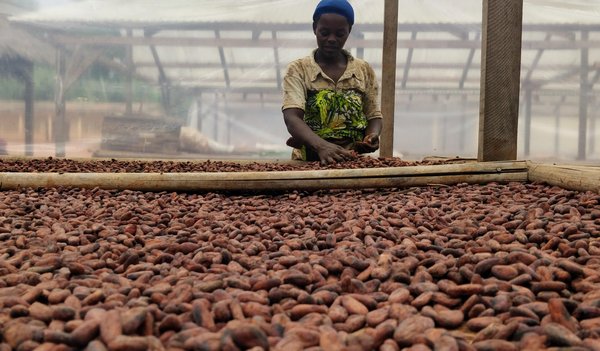
The NGO Nature+ leads inclusive conservation in the TRIDOM landscape along the Gabon–Cameroon border. It develops household agroforestry systems around the village of Kongo and the fermentation and drying center of the GIC PLACKO cooperative.
In response to the requirements of the EU Deforestation Regulation (EUDR), Nature+ commissioned EticWood to map the plots, assess their compliance, and strengthen producers’ practices.
Cocoa cooperatives in forested areas face three simultaneous constraints:

for each producer plot, without having the necessary tools or data.
that do not compromise existing forest cover.

credible and verifiable in the field, to ensure the long-term sustainability of this compliance.
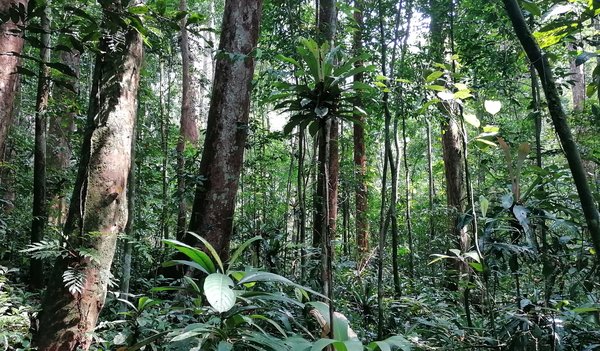
The TRIDOM landscape (Tri-National Dja–Odzala–Minkébé) spans over 14 million hectares across Cameroon, Congo, and Gabon. It is one of Central Africa’s most intact tropical forest blocks and is listed as a UNESCO World Heritage site for its exceptional biodiversity.
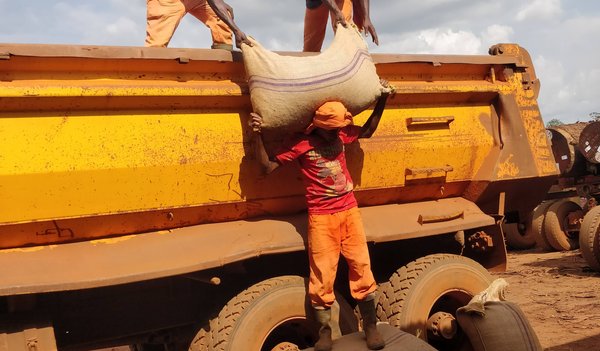
In this context, agricultural supply chains are exerting increasing pressure on forest cover. Since the entry into force of the EUDR, producers must now demonstrate that their cocoa is not linked to deforestation in order to maintain access to European markets.
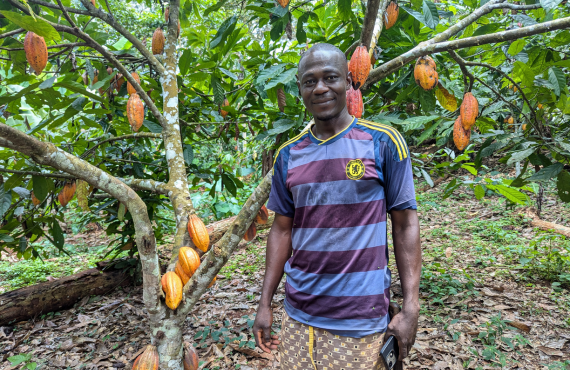
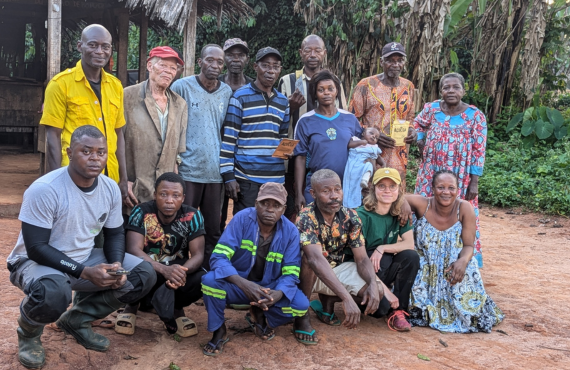
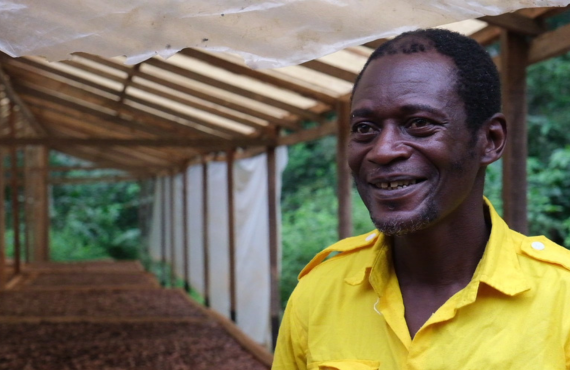
Nature+ is implementing an inclusive conservation project with producers from the village of Kongo, organised in a cocoa cooperative with a fermentation and drying center.
EticWood was commissioned to provide the necessary mapping and value chain expertise for this initiative.
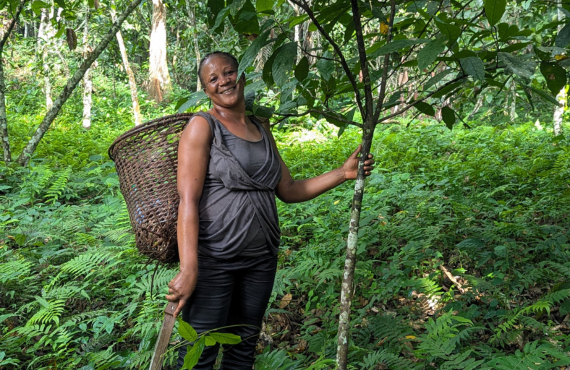
The first step in any compliance process is to precisely locate production plots. EticWood has developed a field app to geolocate each cocoa farm using GPS, directly with producers.
These data were then cross-checked with satellite imagery to analyse land-use history and detect any potential deforestation events since 2020.
Result: a detailed, plot-by-plot mapping enabling Nature+ to document EUDR compliance, while also identifying areas potentially suitable for future expansion.
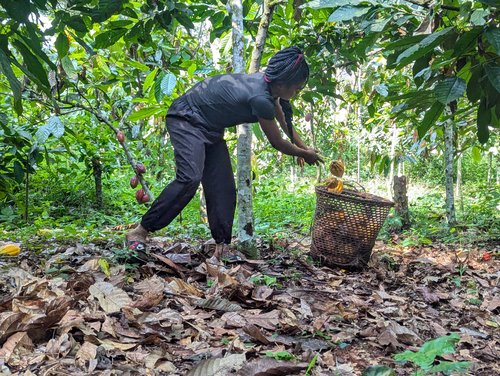
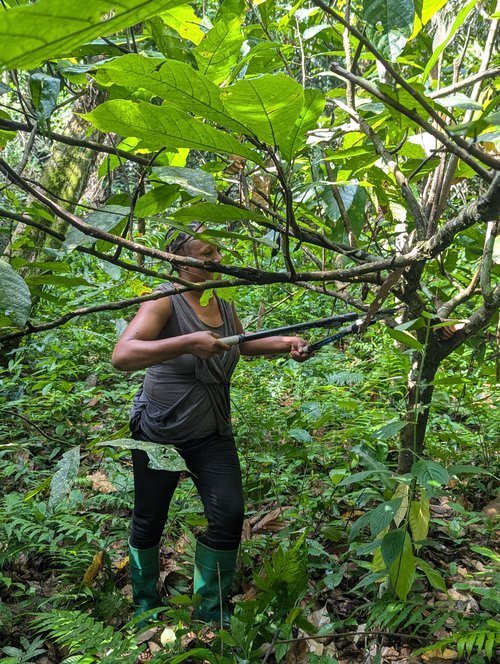
The producers of GIC PLACKO had already received training in good agricultural practices. However, there can be a significant gap between principles and their implementation in the field.
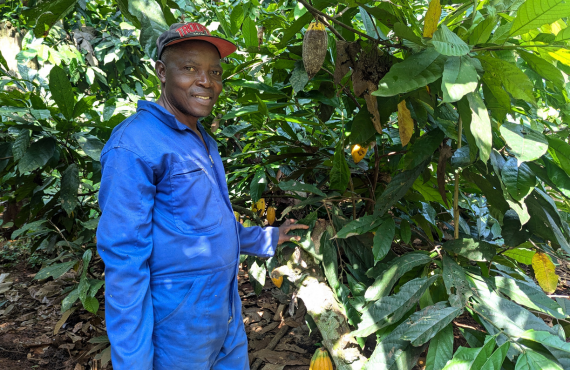
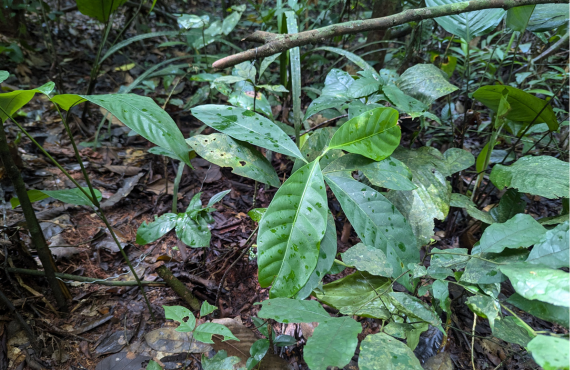
EticWood therefore conducted a field diagnosis on each farm to observe actual practices and engage with producers on their constraints.
Based on these visits, operational recommendations were jointly defined with each producer. Each producer leaves with a tailored action plan to progressively improve practices and strengthen supply chain compliance.
Because a sustainable value chain is built farm by farm, plot by plot.
For producers for whom cocoa accounts for 80% of their income, this compliance enables continued access to the European market and better remuneration for their cocoa. This mission lays the foundations for robust traceability and documented EUDR compliance, plot by plot.
Based on field assessments and spatial analyses, EticWood identified households with the strongest potential for Nature+ support in developing agroforestry systems, a direct lever for conserving the TRIDOM landscape.
21 producers trained over 5 days on key practices (weeding, sanitary harvesting, pruning).
Each producer leaves with personalised recommendations for their farm.
The EU Deforestation Regulation (EUDR) requires operators importing cocoa, coffee, soy, or timber into the EU to prove that these products are not sourced from land deforested after 31 December 2020. For cocoa cooperatives in forested areas, this entails precise mapping of production plots and documented traceability.
Yes, provided that agroforestry expansion takes place on non-forested land or on degraded areas identified as such prior to 31 December 2020. The historical mapping produced under this assignment makes it possible to identify these compliant expansion areas.
Our team is available to discuss your context confidentially and without commitment.